Table of contents
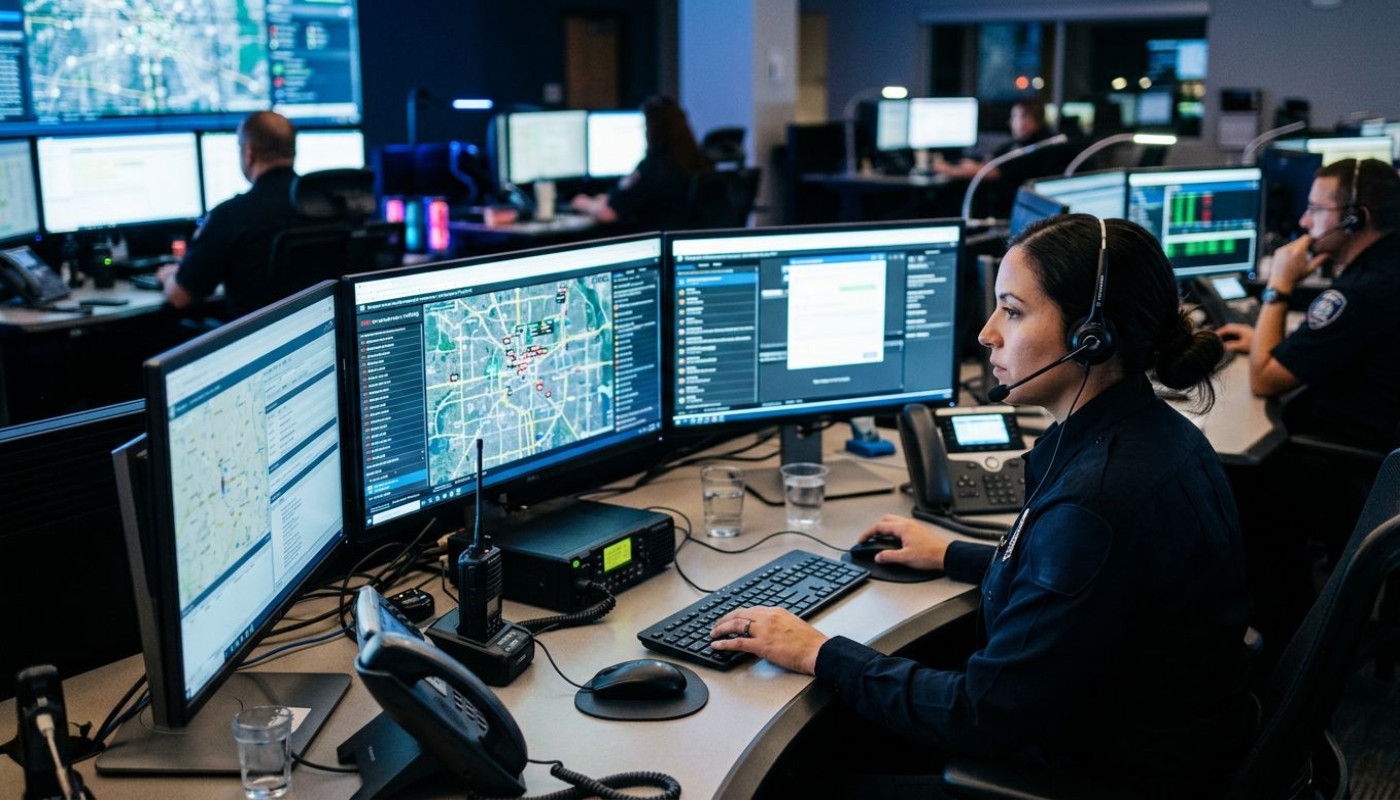
The rapid evolution of modern technologies has transformed how emergency response systems operate in today's interconnected world. As threats and disasters become more complex, integrating cutting-edge solutions is vital for protecting communities and saving lives. Explore how these advancements streamline coordination, enhance communication, and ultimately redefine the future of crisis management in the following sections.
Revolutionizing Communication
Modern technologies have transformed emergency communication by introducing digital platforms, mass notification systems, and next-generation communication networks that deliver real-time updates with unprecedented speed and precision. These innovations enable seamless information sharing and interoperability, allowing first responders, public safety agencies, and crisis management teams to collaborate instantly, regardless of their organization or location. The integration of mass notification tools ensures that critical instructions and alerts reach affected populations and response teams within seconds, significantly reducing delays that previously hampered coordinated action. Digital communication platforms provide dynamic situational awareness, making it possible to track incident developments, allocate resources efficiently, and adjust strategies based on live data.
Interoperability, a technical cornerstone of these systems, guarantees that diverse technologies and agencies can exchange data without barriers, fostering unified responses in high-pressure scenarios. Real-time updates facilitate the relay of accurate information between dispatch centers, field units, and decision-makers, minimizing confusion and preventing misinformation. These advancements dramatically improve crisis management by streamlining workflows, supporting cross-agency coordination, and enhancing the overall effectiveness of emergency response efforts, ultimately saving lives and property during critical events.
Leveraging Data Analytics
Data analytics has transformed emergency response by equipping agencies with the capability to process vast amounts of real-time and historical data. Advanced machine learning algorithms enable predictive modeling that can forecast potential emergencies based on trends, geographic patterns, and environmental factors. As a result, crisis prediction becomes more accurate, which facilitates proactive measures and the timely mobilization of essential resources. Emergency response systems now utilize these technologies to optimize resource allocation, sending personnel and equipment exactly where they are needed most, reducing response times and potentially saving lives.
Strategic integration of data analytics also sharpens decision-making during crises by delivering actionable insights to public safety authorities. Machine learning algorithms continually refine their predictions as new data becomes available, enhancing adaptability in fast-changing emergency scenarios. By harnessing these capabilities, organizations can minimize risks and maximize the effectiveness of their interventions. For instance, platforms like Gambling Sites Not on Gamstop demonstrate how rapid data-driven responses can be applied to manage risks and ensure public safety, as detailed at https://oncallfire.uk/. Such applications underscore the evolving landscape of emergency response enabled by technological innovation.
Enhancing Geospatial Awareness
Geospatial awareness has fundamentally transformed disaster response by equipping emergency teams with sophisticated tools such as GIS technology and real-time geospatial mapping. These advancements enable rapid visualization and analysis of affected areas, providing responders with crucial situational awareness that guides decision-making under pressure. By leveraging GIS technology, teams can conduct emergency mapping to pinpoint locations of critical infrastructure, identify vulnerable populations, and assess accessibility routes, all in dynamic and evolving environments. The use of real-time geospatial mapping also allows continuous updates as the situation unfolds, ensuring that resource deployment remains efficient and targeted. This integration of advanced geospatial tools not only improves the coordination between agencies but also empowers responders to navigate complex terrains with greater confidence, reducing response times and mitigating risks during high-stakes disaster response operations.
Integrating IoT and Sensors
IoT emergency response systems leverage sensor networks and connected devices to deliver unprecedented situational awareness during critical incidents. By embedding sensors into infrastructure, vehicles, and public spaces, smart emergency systems continuously gather data on environmental hazards such as toxic gas leaks, temperature fluctuations, and seismic activity. Sensor fusion, the process of combining data from multiple sensor types, enables real-time monitoring of both structural integrity and evolving public safety conditions. This immediate, actionable intelligence can be transmitted to first responders and command centers, ensuring that resources are allocated efficiently and interventions are tailored to the actual severity and nature of the emergency. In this way, sensor networks and IoT-enabled devices form the backbone of modern, responsive emergency management strategies, providing rapid detection and assessment capabilities that can significantly mitigate the impact of disasters.
Automating Emergency Workflows
Process automation, powered by innovations such as AI in emergencies and robotic response, is redefining emergency automation by transforming how agencies respond to crises. Automated alerts now play a pivotal role in detecting incidents and instantly notifying relevant teams, dramatically reducing the time between an event’s onset and the mobilization of first responders. Robotics are being deployed for tasks ranging from search and rescue to hazardous material handling, minimizing risk to human life while optimizing workflow efficiency. With AI-driven solutions, emergency communication platforms analyze vast data streams to predict resource needs, coordinate multi-agency responses, and prevent bottlenecks. This workflow optimization not only accelerates decision-making but also reduces the likelihood of human error, ensuring that the right actions are taken promptly and accurately when every second counts in emergencies.
The integration of emergency automation tools streamlines repetitive, manual processes, allowing personnel to focus on complex decision-making and direct intervention. AI in emergencies enables real-time data analysis and predictive modeling, enhancing situational awareness and resource allocation. Meanwhile, robotic response systems perform critical support functions, such as drone-based reconnaissance or remote-controlled medical delivery, increasing operational reach and safety. Automated alerts triggered by advanced sensor networks and communication platforms ensure instant dissemination of actionable information across agencies and the public. Through seamless process automation, emergency services achieve greater resilience, scalability, and precision, setting new standards for effective crisis management.
Similar articles

Innovative Strategies For Enhancing Connectivity Between Neighboring Areas

Exploring The Variety Of Games In Modern Online Casinos

How Does Regular Website Maintenance Enhance User Experience?

Navigating The World Of Live Casino And Slot Games Online

The Evolution Of Chicken Road: From Classic To Chicken Road 2

Exploring The Latest Trends In Sustainable Fashion For A Stylish Future

Understanding The Mechanics Of A Virtual Slot Game With Sports Theme

Maximizing Your Winnings In Online Road-Crossing Challenges

The Best Payment Methods For Online Casino Enthusiasts

Strategies For Maximizing Your Experience With Online Casino Bonuses And Promotions

Frequently Asked Questions About Online Casinos Answered

Understanding The Regulations Governing Online Casinos In Australia

Exploring The Impact Of Virtual Reality On Future Online Casinos

The Role Of Mobile Gaming In The Evolution Of Online Casinos

Essential Tips For Responsible Gambling In Digital Casino Environments

Exploring The Social Aspects And Community Building In Online Gambling

Advantages Of Blockchain And Cryptocurrency In Online Gambling

Beginner's Guide To Choosing The Best Plinko Game Online

The Evolution Of Online Casinos: Technology And Player Engagement

How Live Dealer Games Enhance Your Online Casino Experience

Ensuring Safe And Secure Transactions In Online Gambling Platforms

How Emerging Technologies Are Reshaping The Way We Find New Music And Podcasts

How Online Stores Are Revolutionizing Access To Cultural Products Globally

The Role Of Design And User Interface In Enhancing Online Gambling Experience

Top Tips From Experienced Online Casino Players

The Benefits Of Loyalty Programs In Online Casinos

Exploring The Excitement Of Online Mini Games With Plinko

Exploring The World Of Anime-Themed Online Casinos In 2024

Key Strategies And Training Tips For Competing In Prestigious Horse Races

How To Master Road-Themed Gambling Games For Maximum Payouts

Navigating The World Of Online Casino Promotions: Free Spins And Beyond

Exploring The Thrill Of Online Casino Games: Bonuses, Variety, And Secure Playing Options

Exploring The Thrill Of Modern Online Casinos: Features, Security, And 24/7 Support

Exploring The Thrills Of Online Scratchcard Tournaments: Strategies And Benefits

Exploring The World Of Casino Games Beyond Traditional Offerings

Evolving Landscape: The Intriguing Emergence of Virtual Casinos

Lottery Winners' Lives After the Jackpot
